
My Journey to Reclaiming Mental Clarity in a Digital World

In today’s fast-paced world, we often talk about physical fitness as the ultimate goal. We track our steps, count our calories, and measure our muscle mass. But in my journey, I’ve realized that we often ignore the most important engine of our body: the mind. We treat our laptops better than our own mental health, ensuring they don’t overheat while we push ourselves to the absolute limit. I have noticed that mental fatigue doesn’t hit you all at once; it builds up quietly like dust on a shelf. If we don’t take the time to clear it, it eventually clouds our vision and drains our passion for everything we love. Realizing that rest is not a sign of weakness was the first major step in my personal wellness transformation.
Why Mental Health is Your Greatest Professional Asset

I still remember the feeling of constant mental fog before I prioritized my recovery. I’ve since found that combining mindful morning habits with a structured evening wellness routine is life-changing. I’ve noticed that when I protect my sleep, my productivity during the day increases by nearly 50%.
I still remember the days when I felt guilty for taking a five-minute break. I thought I was losing time, but in reality, I was losing my sanity. Based on my observations, a calm mind is not a distraction from your work; it is the foundation of your productivity. When your mental health is balanced, life feels more manageable and meaningful. A sharp mind allows you to solve complex problems in half the time it takes an exhausted brain. I have personally experienced that when I prioritize my mental state, my creativity flows naturally instead of being forced. This shift in perspective has allowed me to achieve more by actually doing less but with higher focus.
1. The Trap of “Digital Noise”

I have often noticed that we treat our smartphones like an extension of our bodies, rarely giving our minds a chance to unplug. In my journey, I’ve realized that ‘digital noise’ is the primary cause of modern burnout. Based on my observations, setting strict boundaries with technology is not just a habit—it’s a survival skill for the 21st century.
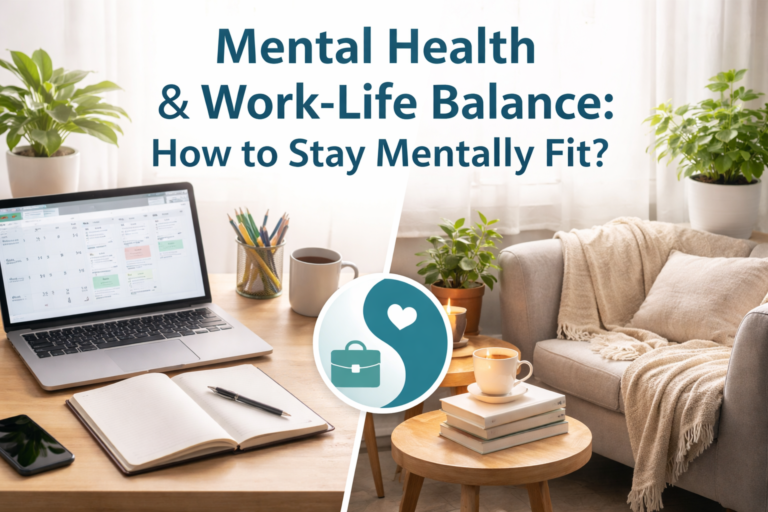
I’ve often noticed that we audit our bank accounts daily, but we rarely audit our own “mental health chart.” I used to wake up and immediately reach for my phone, scrolling through emails and news before my eyes were even fully open. This habit creates what I call “Digital Noise”—a constant state of low-level anxiety that persists all day. This noise creates a sense of urgency that isn’t real, making us feel behind before the day has even truly begun. I realized that my brain was being programmed by other people’s agendas rather than my own intentions. To combat this, I had to create a physical distance between my bed and my smartphone to ensure a peaceful start.
To break this, I started a minimalist morning routine. By giving myself just 15 minutes of quiet before touching any screen, I noticed that my decision-making remained sharp even under pressure. During this quiet time, I focus on my breath and set one single intention for the day. This simple practice acts as a shield against the inevitable stress that office life brings. I have found that this small investment of time pays off in hours of sustained mental energy later in the afternoon.
2. The Gut-Brain Connection: Fueling Your Mind

Most people think nutrition is only for the body, but I’ve realized there is a powerful “gut-brain connection.” I personally saw the best results when I paired my mental habits with balanced nutrition. The food we consume is essentially the raw material our brain uses to create neurotransmitters like serotonin and dopamine. If we provide poor-quality fuel, we can’t expect high-quality thoughts or stable moods. I have observed that my anxiety levels are significantly lower on days when I eat whole, unprocessed foods compared to days filled with sugary snacks.
- The Protein Impact: High-quality proteins aren’t just for muscles; they provide amino acids that regulate your mood. I’ve found that balancing proteins vs carbs is essential for avoiding brain fog. When I skip protein, I notice a sharp decline in my ability to stay patient during long meetings. Protein provides the building blocks for a stable mind, keeping your emotions from swinging like a pendulum throughout the work day.
- The Energy Stable: I’ve noticed that following a 5-minute Mediterranean diet keeps my energy stable, which helps me handle difficult meetings with much more calm. The healthy fats found in olive oil and nuts act as long-burning logs for the fire of your brain. Instead of the quick spikes and crashes from caffeine and sugar, these nutrients provide a steady stream of focus that lasts until the evening.
3. Physical Movement as Mental Therapy

You don’t need a brutal gym training session to feel better mentally. In my experience, even a short walk acts like a “brain reset.” Movement triggers the release of endorphins, which are the body’s natural stress-fighters. I have found that when I am physically active, my brain processes emotions more effectively, preventing me from getting stuck in negative thought loops. It is almost as if the rhythm of walking or stretching helps untangle the knots in my mind.
I personally use “Micro-Breaks” during my busy office routine to release physical tension. I’ve found that even simple home workouts without equipment can lower cortisol levels significantly. If you are struggling with time, remember the 30/30/30 rule; it’s not just for metabolism, it’s for metabolic and mental momentum. By engaging your muscles, you are sending a signal to your nervous system that it is safe to downregulate from “fight or flight” mode. I have noticed that a few sets of squats or a quick stretch can do more for my mood than a third cup of coffee ever could.
4. Setting Boundaries in a 24/7 World

In my experience, work-life balance isn’t about the number of hours you work; it’s about the quality of your boundaries. I’ve found that setting a “hard stop” time for emails is essential for staying mentally fit. Without boundaries, our work expands to fill every corner of our personal lives, leaving no room for the soul to breathe. I had to learn that saying “no” to a late-night request was actually saying “yes” to my long-term health. Protecting my private time has made me a much more enthusiastic worker during my professional hours.
I’ve learned that one missed day of “perfection” isn’t a failure. I personally follow the “Never Miss Twice” rule. If my weekend routine breaks, I don’t panic. I just get back on track the next day. This mindset shift is the best way to improve your mental health naturally. Perfectionism is often the enemy of progress, creating unnecessary guilt that leads to more stress. By embracing flexibility, I have found that I am more likely to stick to my wellness goals for the long haul rather than quitting after one mistake.
5. The Power of Sleep and Recovery

I’ve realized that you cannot out-work a lack of sleep. Based on my observations, sleep is when your brain “cleans” itself. I’ve found that incorporating everyday wellness simple daily habits, like a cool room and no screens before bed, has improved my focus by 50%. Sleep deprivation mimics the symptoms of high-level anxiety, making every problem feel much bigger than it actually is. When I am well-rested, I have the perspective to see challenges as opportunities rather than threats. Quality sleep is the ultimate performance enhancer that most professionals completely undervalue.
Q1: How can I manage stress when I have a back-to-back meeting schedule?
My Experience: I’ve found that even 60 seconds of deep breathing between calls makes a huge difference. Based on my observations, these “micro-resets” prevent stress from building up. I’ve noticed that when I stay calm, my decision-making remains sharp even under pressure. I also keep a glass of water nearby to stay hydrated, as dehydration can often feel like fatigue. These tiny moments of self-care keep me grounded throughout the busiest days.
Q2: Can I really see mental health benefits from just 10 minutes of exercise?
I’ve realized that consistency beats intensity. I personally recommend starting with a 30-day challenge. I’ve found that even small movements during the day help clear the “mental fog” that accumulates during a busy day. Ten minutes is enough to change your blood chemistry and lower your stress hormones. It is the cumulative effect of these short sessions that builds lasting mental resilience.
Q3: Is it possible to stay motivated when working alone or from home?
In my experience, having a dedicated ‘workout corner’ and a specific schedule makes a huge difference. I’ve found that tracking my progress in a journal keeps me focused. I’ve also noticed that treating your body like your best investment ensures that you stay motivated both mentally and physically. Connecting with others through a quick call or a walk in a public park can also help combat the isolation of working from home. We are social creatures, and a small dose of human connection is vital for our mental health.
Welcome to AuraFitLife! AuraFitLife is a wellness-focused platform providing informative content on fitness workouts, mental health awareness, and healthy living. Muhammad Azam follows ethical content guidelines and prioritizes accuracy, clarity, and reader value. We are committed to sharing practical, research-based information that supports healthier and more balanced lifestyles