

Proteins vs. Carbs: Finding the Perfect Ratio for Muscle Growth and Mental Clarity

When we step into the world of fitness, the first question that hits us is: “What should I eat?” Some people think Protein is the only thing that matters, while others fear Carbohydrates as if they are the ultimate enemy. But the truth is, if you want to grow muscle and keep your brain sharp, you need to understand the right “ratio” between these two.
In this comprehensive guide, we will break down the relationship between Protein and Carbs, debunk common myths, and help you find the best balance for your unique lifestyle.
Section 1: The Biology of Macros

To understand the ratio, we must first understand the players. Your body runs on three main macronutrients: Proteins, Carbohydrates, and Fats. While fats are essential for hormone production, the tug-of-war usually happens between Proteins and Carbs.
Protein: The Building Block
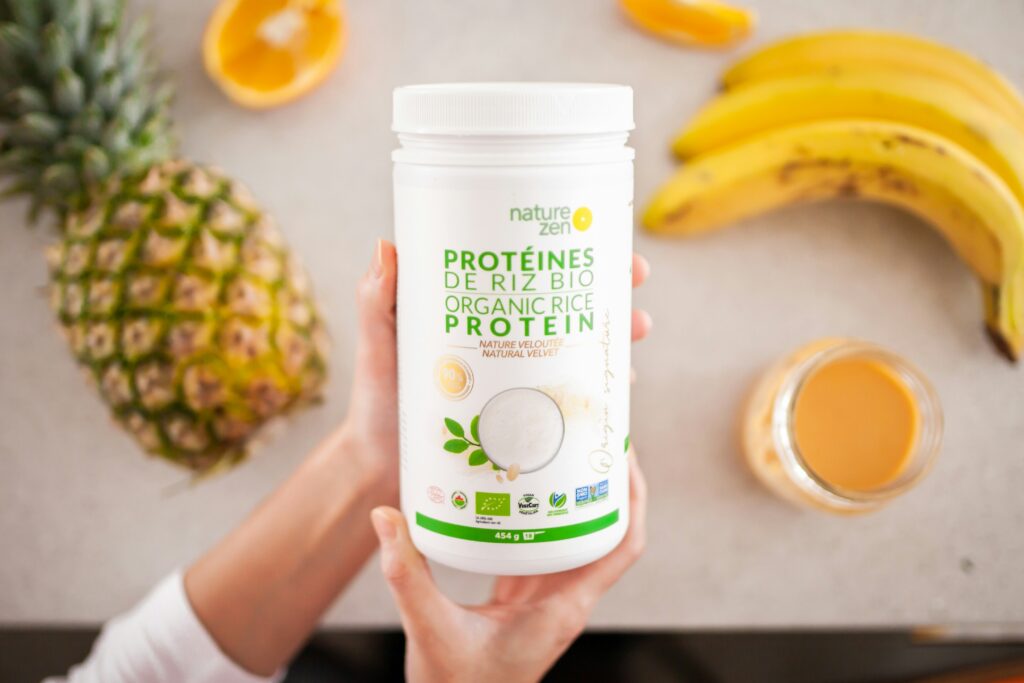
Think of Protein as your body’s “Construction Material.” Just as a building needs bricks to stand tall, your muscles need protein to repair and grow. Chemically, proteins are made of amino acids. Some of these amino acids are “essential,” meaning your body cannot make them you must eat them.
When you lift weights or do any intense activity, you create microscopic tears in your muscle fibers. Protein synthesis is the process where your body uses the protein you eat to “patch up” these tears, making the muscle thicker and stronger than before. But protein isn’t just for bodybuilders; it’s essential for your hair, skin, nails, and the enzymes that keep your metabolism running.
Carbohydrates: The Energy Source

Carbohydrates are often unfairly criticized in modern “low-carb” trends. However, Carbs are your body’s primary fuel source. When you eat carbs, your body breaks them down into glucose, which enters your bloodstream and provides immediate energy. Any excess glucose is stored in your muscles and liver as “glycogen.”
Think of glycogen as your body’s backup battery. When you hit the gym, your body taps into this battery. With out it, you will experience “bonking” or hitting the wall, where your strength suddenly vanishes.
Section 2: The Mental Clarity Connection

Most fitness articles focus only on the physical body, but at AuraFitLife, we believe in a holistic approach. Your brain is a greedy organ; it accounts for only 2% of your body weight but uses about 20% of your total energy.
The Brain on Carbs
Your brain runs almost exclusively on glucose. While the body can enter “ketosis” (burning fat for fuel), the transition is often rocky and leads to “Brain Fog.” For someone balancing a career, studies, and life, complex carbohydrates provide a steady stream of energy to the brain. This prevents the afternoon slump and keeps your focus sharp during high-pressure tasks.
The Brain on Protein
Proteins provide the precursors for neurotransmitters like dopamine and serotonin. These are the chemicals that regulate your mood and motivation. Without enough protein, you might feel irritable or lose the “drive” to stay consistent with your routine.
Section 3: Decoding the Perfect Ratio

There is no “one size fits all,” but we can categorize the ratios based on your specific goals.
Goal A: Maximum Muscle Hypertrophy (The 40-30-30 Rule)
If you are hitting the gym 4-5 times a week with the goal of getting bigger and stronger, aim for:
- 40% Carbohydrates: To fuel heavy lifting.
- 30% Protein: To repair muscle tissue.
- 30% Healthy Fats: To keep your hormones (like testosterone) healthy.
Goal B: Lean Shredding (The 30-40-30 Rule)
If you want to lose body fat while maintaining muscle:
- 40% Protein: High protein keeps you full (satiety) and prevents muscle loss.
- 30% Carbohydrates: Just enough to fuel workouts but low enough to encourage fat burning.
- 30% Healthy Fats.
Goal C: Mental Focus and Longevity
For those who prioritize staying sharp at work:
- 50% Complex Carbs: Focused on low-glycemic index foods (Oats, Quinoa).
- 25% Protein.
- 25% Healthy Fats.
Section 4: Choosing the Right Sources
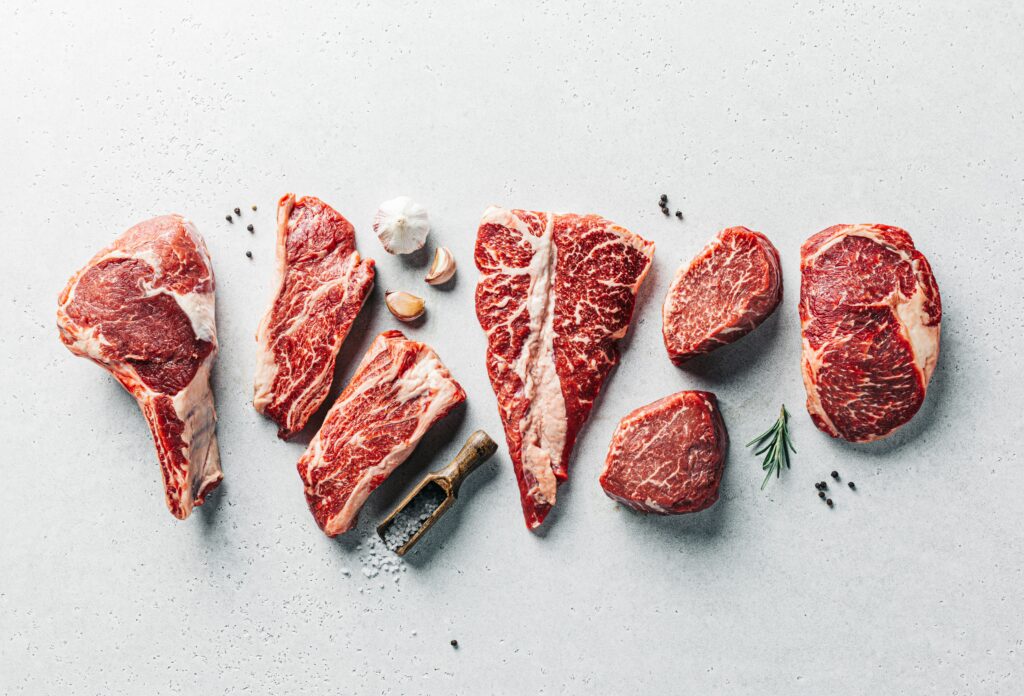
Not all proteins and carbs are created equal. Eating a bowl of sugary cereal is not the same as eating a bowl of oats.
Best Carbohydrate Sources:
- Oats: Great for long-lasting energy.
- Sweet Potatoes: Packed with Vitamin A and fiber.
- Brown Rice/Quinoa: Excellent sources of complex energy.
- Fruits (Berries, Bananas): Perfect for quick energy before a workout.
Best Protein Sources:
- Lean Meats: Chicken breast and turkey.
- Fish: Salmon (provides Omega-3s) and Tuna.
- Eggs: The “Gold Standard” of protein.
- Plant-Based: Lentils (Daal), Chickpeas, and Tofu.
Section 5: Timing is Everything

When you eat is almost as important as what you eat.
- Pre-Workout: Focus on Carbs. You need the fuel to perform. A banana or a piece of whole-grain toast 30 minutes before training works wonders.
- Post-Workout: This is the “Anabolic Window.” Combine Protein and Carbs. The carbs will replenish your empty glycogen stores, and the protein will start the muscle repair process immediately.
- Before Bed: Focus on slow-digesting Protein (like Greek yogurt or Casein) to feed your muscles while you sleep.
Consistency is key here. As we discussed in our article The Weekend Warrior: How to Stay on Track, missing a meal isn’t the end of the world, but your long-term habits define your results.
Section 6: Common Myths Debunked

Myth 1: “Carbs make you fat.” No, an excess of calories makes you fat. Carbs are essential for performance. If you eat the right amount for your activity level, you will stay lean.
Myth 2: “You need 200g of Protein a day.” Unless you are a professional bodybuilder, you likely don’t need that much. A good rule is 1.6g to 2.2g of protein per kilogram of body weight.
Myth 3: “Simple carbs are always bad.” Simple carbs (like white rice or a banana) are actually great immediately after a workout because they digest fast and get nutrients to your muscles quickly.
Section 7: How to Build Your Plate (A Sample Day)

Here is how a balanced day looks for someone seeking both muscle and mental clarity:
- Breakfast: 3 Scrambled eggs with spinach and a bowl of oatmeal topped with blueberries.
- Mid-Morning Snack: A handful of almonds or a Greek yogurt cup.
- Lunch: Grilled chicken breast with half a cup of brown rice and a large green salad.
- Post-Workout: A protein shake mixed with water and a medium-sized banana.
- Dinner: Baked fish (or lentils) with roasted vegetables and a small sweet potato.
Section 8: The Role of Hydration and Micronutrients

You can have the perfect protein-to-carb ratio, but if you are dehydrated, your performance will suffer. Water is the medium in which all energy production happens. Furthermore, vitamins and minerals (Micronutrients) act as the “spark plugs” for your engine. Make sure your plate is colorful the more colors (vegetables), the better your “Security Patching” for your immune system.
Final Thoughts
At the end of the day, your body is a high-performance machine. To get the best out of it, you must provide it with the right mix of fuel (Carbs) and building materials (Protein). Finding your perfect ratio might take some trial and error, but the results both in the mirror and in your mental focus will be worth the effort.
Balance is not a destination; it’s a daily practice. For more unique health insights and deep dives into fitness science, keep visiting the AuraFitLife home page.
Welcome to AuraFitLife! AuraFitLife is a wellness-focused platform providing informative content on fitness workouts, mental health awareness, and healthy living. Muhammad Azam follows ethical content guidelines and prioritizes accuracy, clarity, and reader value. We are committed to sharing practical, research-based information that supports healthier and more balanced lifestyles