
Eat Smart, Your Complete Guide to Healthy Diet and Nutrition

In today’s fast-paced lifestyle, maintaining a healthy diet is more than just a choice – it’s essential for long-term well-being. Nutrition is the foundation of energy, mental clarity, and overall health. But eating healthy doesn’t mean strict dieting or giving up your favorite foods. It’s about balance, making informed choices, and understanding how different foods impact your body and mind.
This guide will help you understand the core principles of healthy eating, practical tips, and smart nutrition habits you can adopt daily.
Why Nutrition Matters More Than You Think
In my journey with the AuraFit Protocol, I’ve realized that nutrition is the fuel that runs every system in our body. I’ve found that when I treat my body like a high-performance machine, my mental clarity and energy levels reach a whole new level. It’s not just about looking good; based on my observations, it’s about how your brain functions and how you through what you consume.
Eating well is not just about weight management. Nutrition affects nearly every aspect of your health, including:
- Energy Levels: Nutrient-rich foods fuel your body for physical and mental tasks.
- Immune System: Vitamins and minerals from whole foods help protect against illnesses.
- Brain Function: Omega-3 fatty acids, antioxidants, and vitamins support cognitive performance and mood.
- Long-Term Health: Balanced nutrition reduces the risk of chronic diseases like heart disease, diabetes, and high blood pressure.
Even small changes in your eating habits can create noticeable improvements in how you feel every day.
The Pillars of a Healthy Diet

I’ve often noticed that people overcomplicate healthy eating with strict rules. In my experience, the strongest pillars of health are balance and variety. I’ve found that instead of cutting out food groups, focusing on high-quality makes the process much more enjoyable and sustainable for a long-term
A balanced diet consists of different food groups that provide essential nutrients.
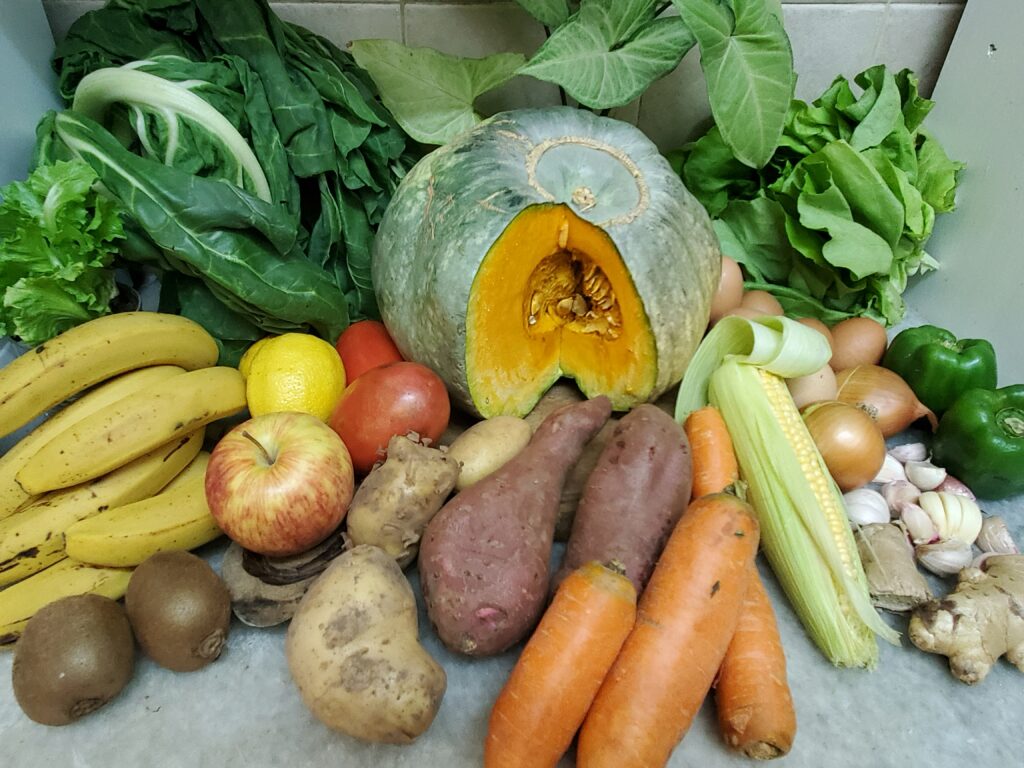
1. Colorful Fruits and Vegetables
I’ve learned to ‘eat the rainbow’ not just for the photos, but for the diverse range of antioxidants it provides. Based on my experience, adding at least two different colored vegetables to every meal has completely transformed my digestion. I’ve noticed that this simple habit makes me feel much lighter and more energized, which is essential before starting my .
Fruits and vegetables are rich in vitamins, minerals, and antioxidants. They fight inflammation, boost immunity, and improve overall health.
Tips:
- Eat at least five servings daily.
- Rotate colors: reds, oranges, greens, and purples for diverse nutrients.
- Include seasonal fruits and vegetables for freshness.
2. Whole Grains for Steady Energy
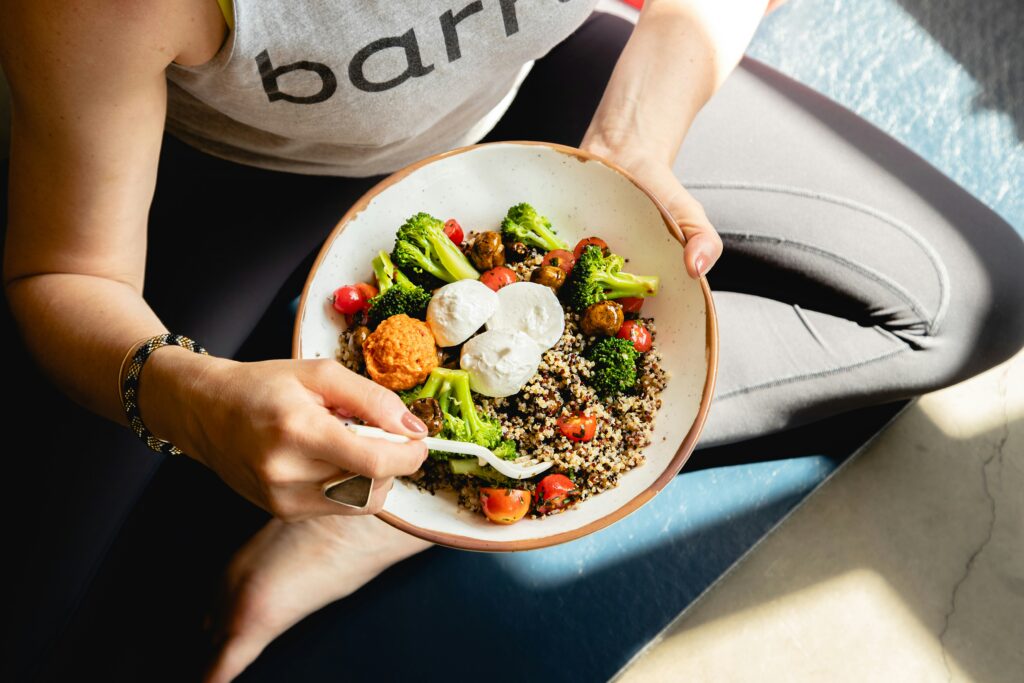
Whole grains such as oats, quinoa, brown rice, and barley are high in fiber and slow-digesting carbs, keeping you full longer and maintaining blood sugar levels.
Tips:
- Swap white bread and pasta with whole grain alternatives.
- Enjoy oatmeal or quinoa bowls for breakfast and lunch.
3. Protein for Strength and Repair
Protein is essential for muscle repair, hormone production, and a healthy immune system. Sources include lean meats, fish, eggs, legumes, nuts, and seeds.
Tips:
- Include a protein source in every meal.
- Try plant-based proteins like lentils and chickpeas for variety.
4. Healthy Fats for Brain and Heart
Healthy fats like those in avocados, olive oil, nuts, and fatty fish are crucial for hormone regulation and brain health.
Tips:
- Avoid trans fats and limit saturated fats.
- Incorporate omega-3s from salmon, walnuts, or flaxseeds.
5. Dairy or Plant-Based Alternatives
Calcium and vitamin D support strong bones and teeth. Choose low-fat dairy or fortified plant-based alternatives.
Tips:
- Include yogurt, milk, or fortified almond/soy milk.
- Opt for unsweetened versions to reduce added sugar intake.
6. Hydration
Water supports digestion, circulation, nutrient absorption, and detoxification.
Tips:
- Drink 8–10 glasses daily.
- Add lemon, cucumber, or herbs for flavor without sugar.
Smart Eating Habits

In my journey, I’ve discovered that ‘Smart Nutrition’ is about being prepared for the moments when life gets hectic. I’ve found that keeping a food diary for just one week helped me identify hidden sugars that were draining my energy. This level of awareness is a key part of the AuraFit lifestyle, ensuring that you stay on track with a even when your schedule is packed.
Adopting the right habits is as important as the food you eat.
- Eat Mindfully: Focus on your meal, chew slowly, and enjoy flavors.
- Portion Control: Listen to hunger cues, avoid overeating.
- Regular Meals: Don’t skip breakfast; it kickstarts your metabolism.
- Limit Processed Foods: Reduce fast food, sugary drinks, and packaged snacks.
- Home-Cooked Meals: Cooking at home allows better control over ingredients and portions.
Nutrition Hacks for Busy Lives

- Meal Prep: Prepare meals for the week to avoid unhealthy fast food.
- Snack Smart: Keep nuts, fruits, and yogurt handy.
- Balanced Plates: Aim for half vegetables, one-quarter protein, one-quarter whole grains.
- Track Your Intake: Apps or journals can help monitor calories and nutrients.
- Enjoy Your Food: Healthy eating should feel satisfying, not restrictive.
Superfoods That Boost Health
Including nutrient-dense superfoods can amplify benefits:
- Berries: Antioxidants improve brain and heart health.
- Leafy Greens: Rich in iron, calcium, and vitamins.
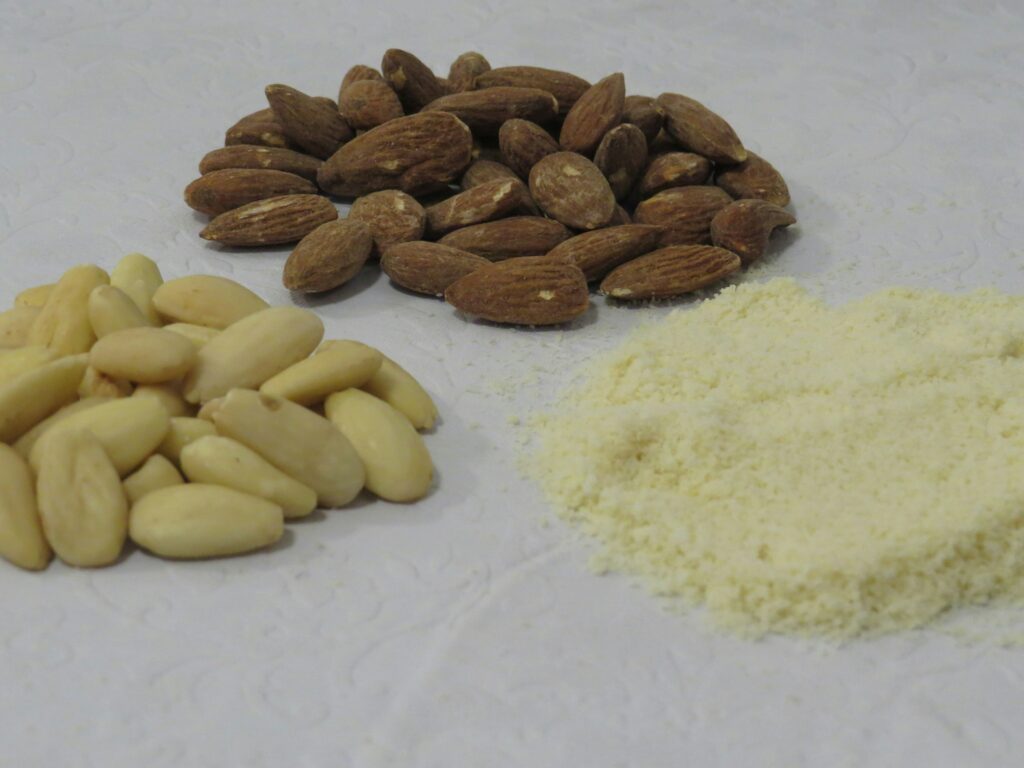
- Nuts and Seeds: Healthy fats and protein.
- Legumes: Fiber-rich and satiating.
- Fatty Fish: Omega-3 fatty acids improve cognitive function and reduce inflammation.
Avoid Common Nutrition Mistakes
- Skipping meals or relying on processed snacks.
- Over-consuming sugary drinks or sweets.
- Following fad diets without balance.
- Ignoring hydration.
- Eating out too often without mindful choices.
Customizing Your Diet for Long-Term Success

Every individual has unique nutritional needs. Consider:
- Age, gender, and activity level.
- Medical conditions or allergies.
- Personal goals (weight management, muscle gain, energy boost).
Consulting a certified nutritionist can help create a plan tailored to your lifestyle.
Conclusion
Healthy eating is a lifestyle, not a temporary fix. By focusing on nutrient-dense foods, balanced meals, hydration, and mindful habits, you can improve energy, mental clarity, and overall well-being. Small daily changes lead to long-term benefits, making your body stronger and your mind sharper.
Start today: choose colorful vegetables, include protein in every meal, stay hydrated, and enjoy the journey to a healthier you.
For more practical tips, meal plans, and wellness guides, visit AuraFitLife – your partner in achieving a healthier lifestyle.
Q1: Is a healthy diet expensive to maintain?
My Experience: In my journey, I’ve found that buying whole foods like beans, rice, and seasonal veggies is actually cheaper than buying processed “diet” snacks. I’ve noticed that when I focus on smart nutrition, my grocery bill stays low while my health markers improve significantly.
Q2: Can a good diet help with sleep quality?
Absolutely. I’ve learned that eating magnesium-rich foods in the evening helps me relax much faster. This is a vital component of my , as it prepares my body for deep, restorative sleep.
Welcome to AuraFitLife! AuraFitLife is a wellness-focused platform providing informative content on fitness workouts, mental health awareness, and healthy living. Muhammad Azam follows ethical content guidelines and prioritizes accuracy, clarity, and reader value. We are committed to sharing practical, research-based information that supports healthier and more balanced lifestyles