
The Art of Saying “No”: How Setting Boundaries Saved My Mental Health

For years, I was a ‘Yes-Man.’ I thought being helpful meant saying yes to every social invite and extra task, even when my body and mind were crying for rest. It took me a long time to realize that setting boundaries isn’t being ‘rude’ it’s the highest form of self-respect. This realization was the turning point in my own wellness journey.
We live in a world that worships “Yes.” We are told that saying yes to every project, every social invite, and every favor is the hallmark of a successful and kind person. But after years of living this way, I realized a painful truth: Every time you say “Yes” to someone else’s request, you are often saying “No” to your own peace, your own goals, and your own sanity.
Setting boundaries isn’t about being rude; it’s about being honest. It’s the highest form of self-respect.
My Personal Struggle: The “Yes-Man” Fever

A few years ago, I was the ultimate “Yes-Man.” Whether it was a late-night coding bug in an IT project or a friend asking for a favor during my only resting hour, I couldn’t say no. I was terrified that if I declined, I would be seen as replaceable or unkind.
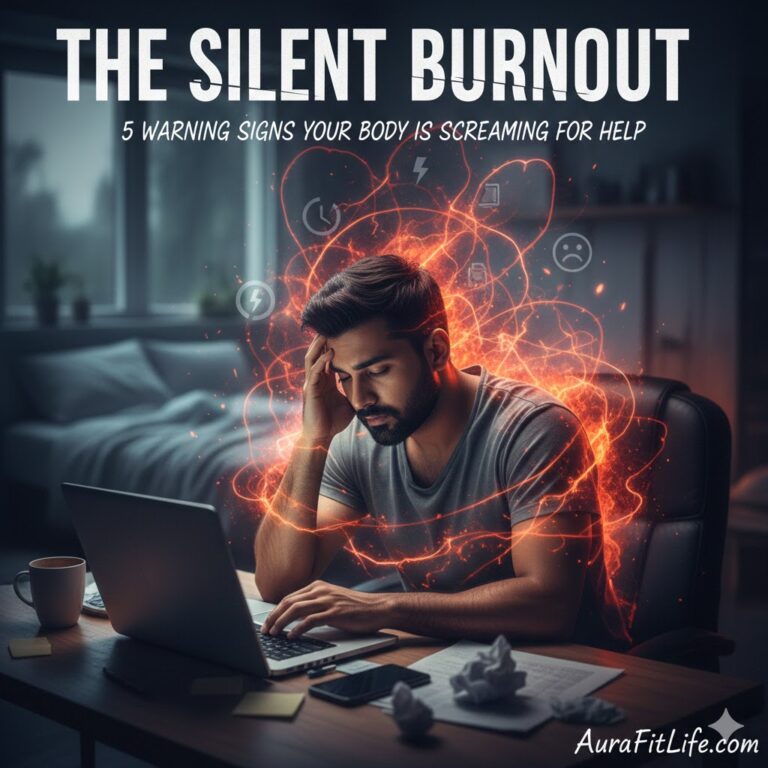
The Experience: I remember sitting at my desk at 11 PM on a Saturday. My eyes were burning, and my hands were shaking from too much caffeine. I had accepted three extra tasks that weren’t even mine. I wasn’t being a “superhero”; I was being a doormat. That night, I realized that by trying to please everyone, I was actually failing everyone because the quality of my work and my mood was at an all-time low. This was the moment I realized that Hard Productivity is a trap that feeds on our inability to set boundaries.
Internal Link: If you’re still struggling with the pressure to be constantly “on,” read my previous piece onThe Soft Productivity Revolution.
Why the Brain Craves a “No”

Scientifically, our brains have a limited amount of “willpower” and “decision energy” each day. This is called Decision Fatigue. When we say yes to every trivial request, we drain the energy we need for the things that actually matter.
In high-pressure fields like IT and Healthcare, the stakes are even higher. If a doctor or a software engineer doesn’t set boundaries, their “Yes” can lead to life-altering mistakes. Boundaries act as a protective shield for your cognitive functions.
The Turning Point: Learning the “Buffer” Technique

The hardest part about saying “No” is the immediate guilt. We feel like we are letting people down. To combat this, I started using what I call the 24-Hour Buffer.
The Experience: I started telling people, “Let me check my calendar and get back to you in 24 hours.” This small shift changed my life. It took away the pressure of the “immediate yes.” During those 24 hours, I would ask myself: Does this task align with my goals? Do I have the energy for this? Most of the time, the answer was no. By the time I responded, the “guilt” had faded, and I could give a calm, professional refusal without feeling like a criminal.
Practical Steps to Master the Art of Saying No

Chronic ‘people-pleasing’ is scientifically linked to higher levels of cortisol, the body’s primary stress hormone. Constant stress caused by lack of boundaries can lead to burnout, weakened immunity, and even digestive issues. Learning to say ‘No’ is not just a social skill; it is a critical mental health practice that protects your physiological well-being. (Source: Research in psychological behavioral studies on stress management)
If you are struggling to find your voice, start with these small steps:
- The “Non-Negotiable” Hour: Mark one hour on your calendar as “Untouchable.” No meetings, no favors, no calls. This is your Mental Sanctuary.
- Eliminate the Over-Explanation: You don’t owe anyone a 5-paragraph essay on why you can’t help. A simple “I can’t commit to this right now” is enough.
- Value Your Time Like Currency: If you wouldn’t give away $100 to every person who asked, why give away an hour of your life?
Beyond Work: Boundaries in Friendships

Boundaries aren’t just for the office; they are vital for your personal life too. We all have that one friend who only calls when they need a vent session, draining your emotional battery.
The Experience: I had a friend who would call me every evening to complain about work. I valued the friendship, but it was destroying my evening peace. One day, I finally said, “I really care about you, but I’m mentally exhausted after work and can’t give you the attention you deserve right now. Can we talk on Saturday instead?” To my surprise, the world didn’t end. They understood. It taught me that people who truly value you will respect your boundaries; those who don’t are just using you.
Internal Link: Protecting your evenings is easier when you have a morning routine. Check outThe 15-Minute Sanctuaryto start your day with silence.
Muhammad Azam’s Tips for Setting Boundaries:
- Start Small: Practice saying ‘No’ to minor, low-stakes requests first.
- Be Direct but Polite: You don’t need a long excuse. A simple, “I’m sorry, but I can’t take this on right now” is enough.
- Focus on Your Priorities: Remind yourself that every ‘No’ to others is a ‘Yes’ to your own mental health and fitness goals.
Conclusion: Your Peace is Non-Negotiable
At the end of the day, you are not a machine. You are a human being with limited time and energy. Learning to say “No” is like pruning a tree; you cut off the dead branches so the rest of the tree can grow stronger and more beautiful.
Start small. Say “No” to one thing today that doesn’t serve your soul. You’ll be surprised at how much lighter you feel.
About the Author: Muhammad Azam is the founder of AuraFitLife.com and a dedicated digital content creator. With a background in wellness research, Azam focuses on helping his community build a balanced lifestyle through physical training and mental boundary-setting. He believes that true fitness starts from a healthy, stress-free mind. Contact: wrkwebsite@gmail.com
Welcome to AuraFitLife! AuraFitLife is a wellness-focused platform providing informative content on fitness workouts, mental health awareness, and healthy living. Muhammad Azam follows ethical content guidelines and prioritizes accuracy, clarity, and reader value. We are committed to sharing practical, research-based information that supports healthier and more balanced lifestyles