
Balanced Nutrition for a Healthier Lifestyle

I have always noticed that we check the fuel quality for our cars very carefully, yet we often fuel our bodies with whatever is convenient. In my journey, I’ve learned that balanced nutrition isn’t just about dieting; it’s about giving your body the respect it deserves. Based on my experience, when you fuel yourself with the right nutrients, both your energy levels and mental clarity reach a whole new level.
Balanced nutrition is the foundation of a healthy and active life. It is not about strict dieting or cutting out your favorite foods, but about giving your body the right nutrients in the right amounts. When you eat a balanced diet, your body feels more energetic, your mind stays focused, and your overall well-being improves.
In today’s busy lifestyle, many people rely on fast food or irregular eating habits, which can slowly affect health. Understanding balanced nutrition helps you make smarter food choices without stress or confusion. This article explains balanced nutrition in simple words, making it easy for anyone to follow.
What Is Balanced Nutrition?

Balanced nutrition means eating a variety of foods that provide essential nutrients such as carbohydrates, proteins, healthy fats, vitamins, minerals, and water. Each nutrient plays an important role in keeping the body strong and functional.
A balanced plate usually includes:
- Whole grains for energy
- Fruits and vegetables for vitamins and fiber
- Protein sources for muscle and repair
- Healthy fats for brain and heart support
- Enough water for hydration
Balanced nutrition focuses on variety, moderation, and consistency rather than restriction.
Why Balanced Nutrition Matters

Good nutrition supports almost every function of the body. When your diet is balanced:
- Energy levels remain stable throughout the day
- Digestion works smoothly
- Immunity becomes stronger
- Mood and mental focus improve
- Long-term health risks reduce naturally
Balanced eating also helps maintain a healthy relationship with food, avoiding guilt or extreme food rules.
Key Components of a Balanced Diet
1. Carbohydrates for Energy
Carbohydrates are the body’s main source of energy. Choose complex carbohydrates like whole grains, oats, brown rice, and fruits. These provide long-lasting energy and prevent sudden sugar crashes.
2. Proteins for Strength and Repair
Proteins help build muscles, repair tissues, and support immunity. Include sources like eggs, beans, lentils, dairy, nuts, seeds, fish, and lean meats.
3. Healthy Fats for Overall Wellness
Healthy fats support brain function and hormone balance. Add moderate amounts of olive oil, nuts, seeds, and avocados to your meals.
4. Vitamins and Minerals
Fruits and vegetables provide essential vitamins and minerals. Eating colorful foods ensures a wide range of nutrients that protect the body.
5. Hydration
Water is often overlooked but is essential for digestion, circulation, and temperature regulation. Drink water regularly throughout the day.
Simple Nutrition Habits for Everyday Life
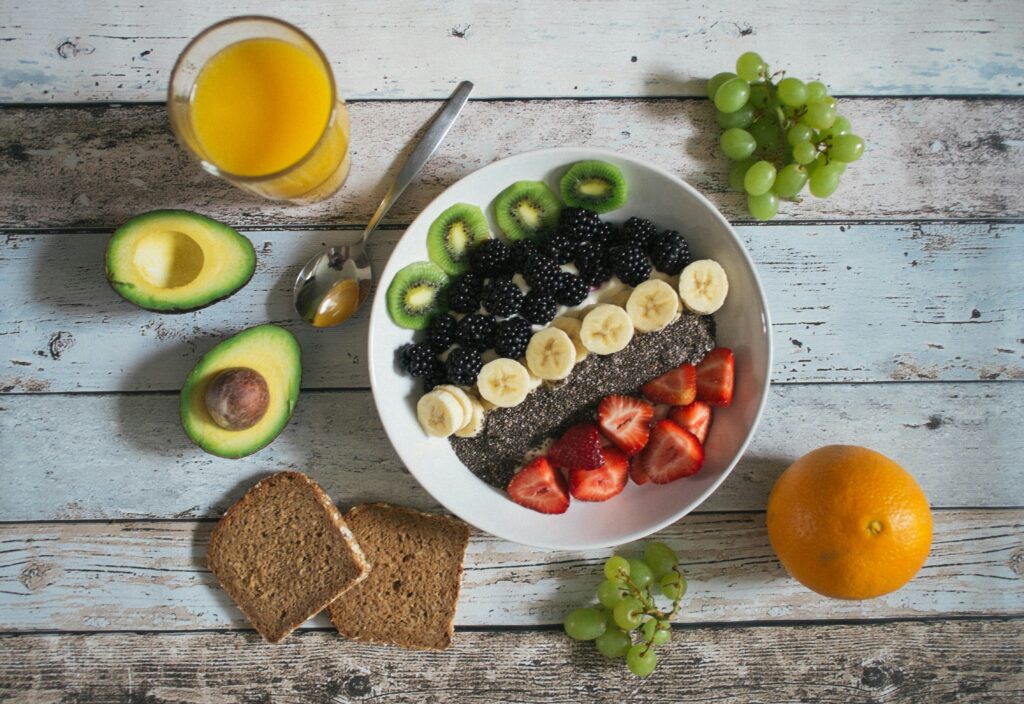
Healthy eating does not need to be complicated. Small daily habits make a big difference:
- Eat meals at regular times
- Avoid skipping breakfast
- Include vegetables in at least two meals daily
- Limit highly processed foods
- Listen to your hunger and fullness signals
For more easy-to-follow nutrition and lifestyle guidance, visit https://aurafitlife.com, where wellness topics are explained in a practical way.
Nutrition Without Strict Dieting
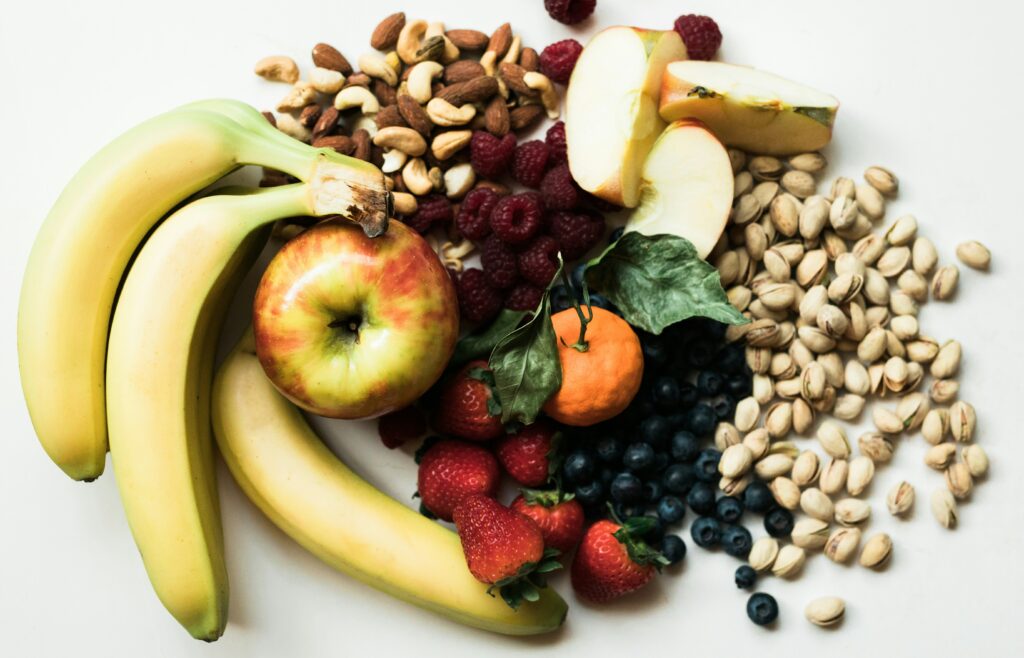
Many people associate nutrition with strict diet plans, but balanced nutrition is flexible. You can enjoy your favorite foods occasionally while maintaining overall balance. The key is portion control and mindful eating.
Instead of focusing on what to remove, focus on what to add more vegetables, more whole foods, and more hydration.
The Connection Between Nutrition and Mental Well-Being

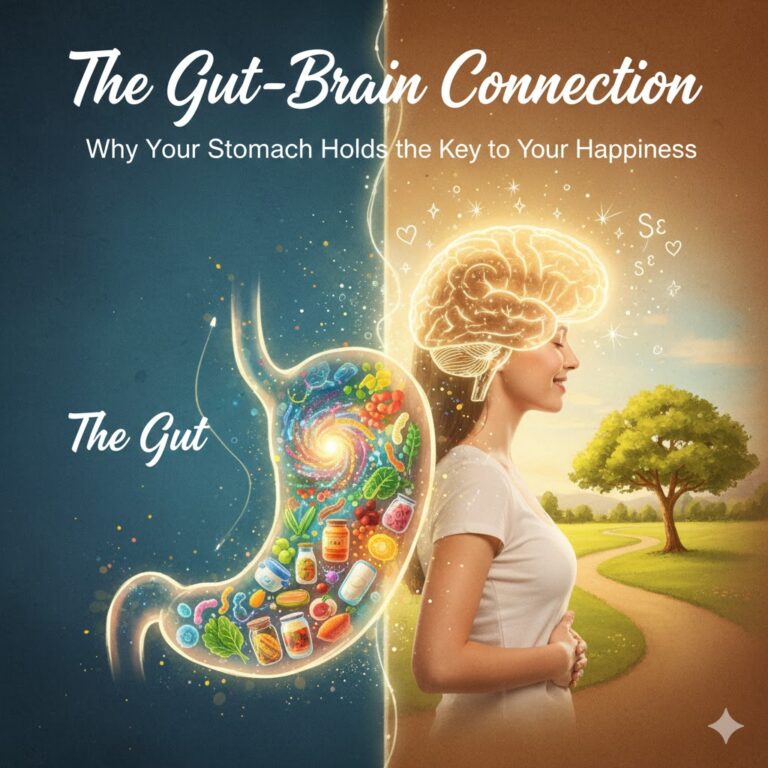
Nutrition also affects mental clarity and mood. Poor eating habits can lead to low energy and irritability, while balanced meals support stable mood and concentration.
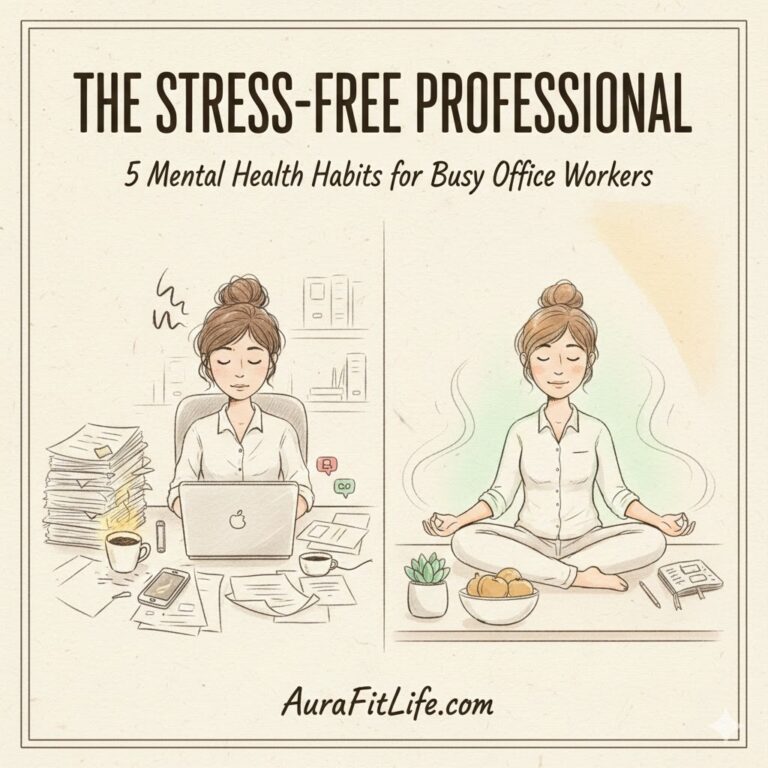
A healthy diet works best when combined with good sleep, physical activity, and stress management.
You can explore more holistic wellness articles on https://aurafitlife.com to support both physical and mental health.
Building a Sustainable Eating Routine

Sustainability is more important than perfection. Choose foods you enjoy and can maintain long-term. Planning meals ahead, keeping healthy snacks available, and cooking simple meals at home help create consistency.
Balanced nutrition is a lifestyle, not a temporary phase.
Common Nutrition Mistakes to Avoid
- Skipping meals frequently
- Over-restricting food groups
- Relying too much on packaged foods
- Ignoring hydration
- Following extreme diet trends
Avoiding these mistakes helps maintain balance and long-term wellness.
Final Thoughts
Balanced nutrition supports a healthier lifestyle by nourishing both body and mind. You do not need extreme rules or strict diets to eat well. Small, consistent choices lead to lasting benefits.
By focusing on variety, moderation, and mindful habits, you can enjoy food while supporting your overall health.
For more educational and AdSense-friendly wellness content, visit https://aurafitlife.com and explore simple guides designed for everyday life.
Q1: Is a balanced diet expensive to maintain daily?
My Experience: I’ve found that eating balanced is actually cheaper than frequent fast food. Based on my observations, focusing on local, whole foods is the smartest financial move for your health. I’ve noticed that when I prep simple meals, I save money and feel better.
Q2: How does nutrition impact mental clarity and work performance?
I’ve realized that your brain is your most valuable asset. Personally, I’ve found that following a 5-minute Mediterranean diet keeps my energy stable. I’ve noticed that without proper nutrition, my busy office routine becomes much more stressful.
Q3: Can I see results by just changing my diet without heavy exercise?
In my experience, nutrition is 70% of the battle. While I recommend home workouts, I’ve found that fixing your “internal engine” through diet leads to lasting weight loss. I’ve noticed that combining good food with natural metabolism boosters gives the best results.
Welcome to AuraFitLife! AuraFitLife is a wellness-focused platform providing informative content on fitness workouts, mental health awareness, and healthy living. Muhammad Azam follows ethical content guidelines and prioritizes accuracy, clarity, and reader value. We are committed to sharing practical, research-based information that supports healthier and more balanced lifestyles