
Mental Health Explained: Facts, Habits & Self-Care

Mental health is just as important as physical health, yet it is often misunderstood or ignored. In simple words, mental health refers to how we think, feel, and handle daily life situations. It affects how we manage stress, make decisions, build relationships, and enjoy life. When mental health is balanced, life feels more manageable and meaningful.
I’ve often noticed that we audit our bank accounts and physical fitness daily, but we rarely audit our own ‘mental health chart’. In my journey, I’ve learned that a healthy mind isn’t a luxury; it’s the foundation that makes every other part of your life manageable and meaningful.
In today’s fast-paced world, pressure from work, family responsibilities, social media, and financial stress can quietly affect our mental well-being. That is why understanding mental health, adopting healthy habits, and practicing self-care are essential for a balanced and happy life.
This article explains mental health in a clear and human way, shares important facts, daily habits, and simple self-care practices that anyone can follow.
What Is Mental Health?

Mental health is not only about avoiding mental illness. It is about emotional balance, clarity of mind, and the ability to cope with everyday challenges. A mentally healthy person can:
- Handle stress in a healthy way
- Work productively
- Maintain positive relationships
- Adapt to change
- Enjoy life without constant emotional pressure
Mental health changes over time. Some days you may feel strong and motivated, while other days you may feel tired or overwhelmed. This is normal. The goal is not to feel happy all the time, but to maintain balance and resilience.
Important Facts About Mental Health

Understanding basic facts can help remove fear and confusion around mental well-being.
1. Mental Health Affects Everyone
Mental health is universal. Age, gender, or background do not protect anyone from stress or emotional challenges. Everyone needs mental care, just like physical care.
2. Daily Lifestyle Plays a Big Role
Sleep, nutrition, physical activity, and social connections strongly influence mental health. Small daily habits can make a big difference over time.
3. Mental Health and Physical Health Are Connected
Poor mental health can lead to physical problems like fatigue, headaches, and weak immunity. Likewise, poor physical health can affect mood and focus.
4. Early Care Is Better Than Late Fixes
Paying attention to mental well-being early helps prevent bigger problems later. Simple self-care habits are often more effective than ignoring stress.
Common Signs of Mental Imbalance

Mental imbalance does not always appear suddenly. Some common signs include:
- Constant tiredness
- Lack of motivation
- Difficulty focusing
- Mood swings
- Feeling overwhelmed by small tasks
- Loss of interest in daily activities
Noticing these signs early allows you to take gentle steps toward balance.
Healthy Habits That Support Mental Health

Good mental health is built through daily habits, not overnight solutions. Below are practical habits that support emotional well-being.
1. Prioritize Quality Sleep
Sleep is essential for brain recovery. Poor sleep affects mood, memory, and emotional control. Aim for consistent sleep hours and reduce screen time before bed.
2. Eat a Balanced Diet
Nutritious foods support brain function. Include fruits, vegetables, whole grains, healthy fats, and enough water. Avoid excessive caffeine and processed foods.
You can find more wellness-focused lifestyle guidance on https://aurafitlife.com, where simple and practical health tips are shared regularly.
3. Stay Physically Active
You don’t need intense workouts. Light activities like walking, stretching, or home exercises help release stress and improve mood naturally.
4. Limit Social Media Overuse
Constant comparison and negative news can increase mental pressure. Set boundaries for screen time and focus on real-life connections.
5. Build a Daily Routine
A simple routine gives structure to your day and reduces mental overload. Small routines create a sense of control and calm.
The Role of Self-Care in Mental Health

Self-care is not selfish. It means giving your mind and body the care they need to function well. Self-care looks different for everyone.
Emotional Self-Care
- Express your feelings instead of suppressing them
- Talk to someone you trust
- Practice gratitude by noting positive moments
Physical Self-Care
- Move your body regularly
- Eat on time
- Get enough rest
Mental Self-Care
- Take breaks from overthinking
- Read positive or educational content
- Learn stress management techniques
For more beginner-friendly self-care ideas, visit https://aurafitlife.com, where mental and physical wellness are explained in simple language.
Simple Self-Care Practices You Can Start Today

You don’t need expensive tools or long hours. Start with small steps:
- Take 10 minutes daily for quiet reflection
- Practice deep breathing when stressed
- Write down your thoughts in a journal
- Spend time in nature or sunlight
- Set realistic expectations for yourself
Consistency matters more than perfection.
Managing Stress in a Healthy Way

Stress is a normal part of life, but unmanaged stress affects mental balance. Healthy stress management includes:
- Breaking tasks into smaller steps
- Learning to say no when overwhelmed
- Practicing mindfulness or relaxation
- Taking short breaks during busy days
Stress management is not about avoiding responsibility but about handling pressure wisely.
Social Connections and Mental Well-Being

Humans are social beings. Positive relationships support emotional stability. Make time for:
- Family conversations
- Healthy friendships
- Supportive communities
Even small social interactions can reduce feelings of isolation.
Long-Term Approach to Mental Wellness

Mental health is a lifelong journey. There is no quick fix. Focus on:
- Long-term healthy habits
- Self-awareness
- Continuous self-improvement
- Asking for support when needed
Educational wellness platforms like https://aurafitlife.com aim to promote balanced living through practical and positive guidance.
Final Thoughts
Mental health is the foundation of a healthy and fulfilling life. Understanding facts, adopting positive habits, and practicing self-care help build emotional strength and resilience. You don’t need to change everything at once. Small, consistent steps can improve mental well-being over time.
By giving importance to your mental health today, you invest in a calmer, stronger, and more balanced future.
Remember, caring for your mind is not a weakness it is a sign of self-respect.
Q1: Why is mental health often ignored compared to physical health?
My Experience: In my journey, I’ve found that because mental struggles aren’t always visible, people tend to push them aside. Based on my observations, we often wait until we are completely burnt out before taking action. I’ve noticed that treating your mind with the same importance as is the only way to achieve true .
Q2: What is one simple habit I can start today to improve my mental wellbeing?
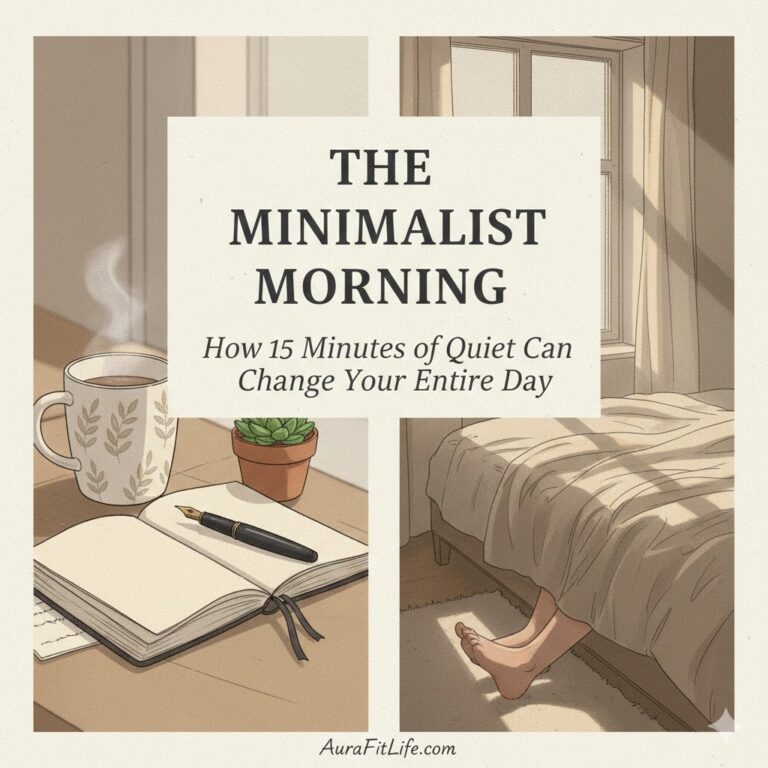
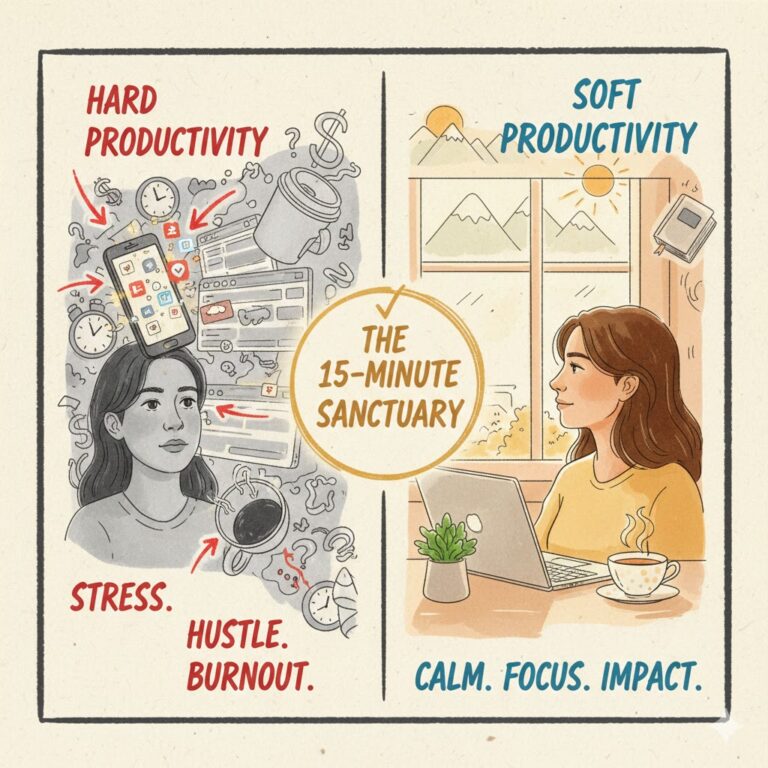
I’ve realized that a “digital detox” in the morning is life-changing. I personally follow a where I don’t touch my phone for the first 15 minutes. I’ve found that this small act of quiet allows me to stay in control of my day, rather than letting stressful news or work emails dictate my mood.
Q3: Can physical habits like diet and exercise really affect my mental state?
Absolutely. In my experience, the gut-brain connection is very powerful. I’ve found that following a or a gives my brain the premium fuel it needs. I’ve noticed that when I stay active through , my anxiety levels naturally drop and my mental clarity increases.
Welcome to AuraFitLife! AuraFitLife is a wellness-focused platform providing informative content on fitness workouts, mental health awareness, and healthy living. Muhammad Azam follows ethical content guidelines and prioritizes accuracy, clarity, and reader value. We are committed to sharing practical, research-based information that supports healthier and more balanced lifestyles