
Types of Mental Health Disorders: Complete Guide

Mental health plays a crucial role in our overall well-being. Understanding the different types of mental health disorders can help in recognizing symptoms early, seeking proper treatment, and supporting loved ones. This guide explores common and rare mental health disorders, their causes, and ways to maintain mental wellness.
What Are Mental Health Disorders?

I personally believe that understanding mental health is the first step toward a better life. In the AuraFit Protocol, we treat mental wellness as being just as important as physical fitness. I’ve noticed that when I acknowledge my mental state rather than ignoring it, I can manage daily stressors much more effectively, helping me .
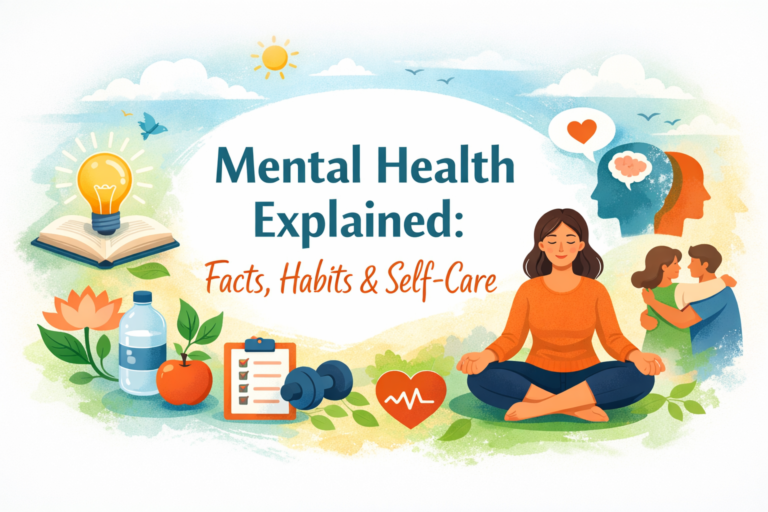
Mental health disorders are conditions that affect a person’s thinking, feeling, mood, or behavior. They can disrupt daily life, relationships, and work. Mental health issues can range from mild anxiety to severe conditions like schizophrenia.
Common Mental Health Disorders

Throughout my journey with AuraFit, I’ve interacted with many people dealing with anxiety and depression. I personally found that recognizing the early signs—like persistent fatigue or loss of interest is crucial. By addressing these symptoms early through mindful habits and a , I’ve seen how much easier it becomes to navigate through these challenging disorders.
Common mental health disorders include anxiety disorders, depression, bipolar disorder, obsessive-compulsive disorder (OCD), and post-traumatic stress disorder (PTSD). Anxiety disorders include generalized anxiety disorder, panic disorder, and phobias, often causing excessive worry, restlessness, and sleep problems. Depression is characterized by persistent sadness, lack of interest in daily activities, fatigue, and feelings of hopelessness. Bipolar disorder involves extreme mood swings, from emotional highs (mania) to lows (depression). OCD leads to repetitive thoughts and behaviors that interfere with daily life, while PTSD is triggered by traumatic events, causing flashbacks, nightmares, and anxiety.
Less Common Mental Health Disorders

I’ve personally experienced how a poor diet can trigger brain fog and mood swings. This is why I always emphasize a as a secondary support system for mental health. When your body is fueled with the right nutrients, your brain has the resilience it needs to cope with the various types of mental health disorders more effectively
Less common mental health disorders include schizophrenia, personality disorders, and eating disorders. Schizophrenia causes distorted thinking, hallucinations, and impaired functioning. Personality disorders involve patterns of behavior that differ significantly from societal norms. Eating disorders include anorexia, bulimia, and binge-eating disorders.
Causes of Mental Health Disorders

I personally make it a point to check in on my friends regularly, as sometimes just talking can make a huge difference. In the AuraFit lifestyle, we encourage a supportive community where no one feels alone. Combining professional help with small daily victories, like completing , has personally helped me and many others regain a sense of control over our lives
Mental health disorders can arise from a combination of genetics and family history, brain chemistry and hormonal imbalances, trauma, stress, life events, and environmental factors.
Symptoms to Watch For

Some common symptoms to watch for are persistent sadness or irritability, difficulty concentrating, changes in sleep or appetite, social withdrawal or isolation, and unexplained physical symptoms.
Treatment and Support Options

Treatment varies depending on the type and severity of the disorder. Therapy options include cognitive-behavioral therapy (CBT), talk therapy, or group therapy. Medication may involve antidepressants, anti-anxiety drugs, or mood stabilizers. Lifestyle changes, such as regular exercise, a healthy diet, mindfulness, and stress management, are also helpful. Support systems like family, friends, or support groups provide essential emotional help.
Conclusion: Take Steps Toward Mental Wellness
Awareness of different types of mental health disorders is essential for early recognition and effective treatment. By understanding the symptoms, causes, and treatment options, individuals can take steps to improve their mental wellness and support others in need
For more wellness tips and mental health guides, visit AuraFitLife: https://aurafitlife.com/
Q1: Can lifestyle changes really help with different types of mental health disorders?
My Experience: I personally believe that while lifestyle changes aren’t a “cure-all” for serious disorders, they are a powerful foundation. In the AuraFit Protocol, we’ve seen that stabilizing your sleep and blood sugar can reduce the intensity of anxiety. I’ve found that combining medical advice with a significantly helps in managing daily symptoms more effectively.
Q2: How do I know if I have a mental health disorder or just a bad week?
I personally look at the “duration and intensity.” Everyone has bad days, but when my feelings of sadness or stress start to interfere with my work or relationships for more than two weeks, I know it’s time to take it seriously. Using mindfulness to is great for daily stress, but persistent issues always require a professional’s opinion.
Q3: Does physical exercise help in managing mental health?
In my journey, exercise has been my best “mood stabilizer.” I’ve personally noticed that even 15 minutes of can break a cycle of negative thinking. The endorphins released during physical activity act as a natural anti-depressant, making it a key pillar of the AuraFit lifestyle.
Q4: Can poor sleep trigger mental health issues?
Absolutely. I personally experienced a period of high anxiety that was almost entirely caused by chronic sleep deprivation. Once I prioritized a , my mental clarity returned. Most types of mental health disorders are worsened by a lack of rest, so fixing your sleep is often the best first step.
Q5: Is it possible to recover from a mental health disorder?
From what I’ve seen in the AuraFit community, “recovery” is a journey, not a destination. Many people personally learn to manage their conditions so well that they live full, happy lives. It’s about building a toolbox of habits—like healthy eating, regular movement, and social support—that keep you resilient against the ups and downs of life.
Welcome to AuraFitLife! AuraFitLife is a wellness-focused platform providing informative content on fitness workouts, mental health awareness, and healthy living. Muhammad Azam follows ethical content guidelines and prioritizes accuracy, clarity, and reader value. We are committed to sharing practical, research-based information that supports healthier and more balanced lifestyles